AI is quickly becoming part of nearly every area of digital marketing. From content creation to accessibility tools to campaign optimization, AI promises faster workflows and smarter decision making.
This is especially true in platforms like Google Ads, where AI powers a growing number of recommendations aimed at improving campaign performance. Digital marketers can apply these suggestions and can even set them to automatically apply to their account.
At first glance, this may seem like an easy way to improve results while saving time. But relying too heavily on automated PPC recommendations can sometimes create the opposite effect.
Without the right strategy and oversight, these changes can increase costs, attract the wrong audience, or lead campaigns away from their original goals. Understanding how PPC automation works and when it should be guided by human insight is key to protecting your ad spend and maximizing results.
What Are Google Ads Auto Apply Recommendations?
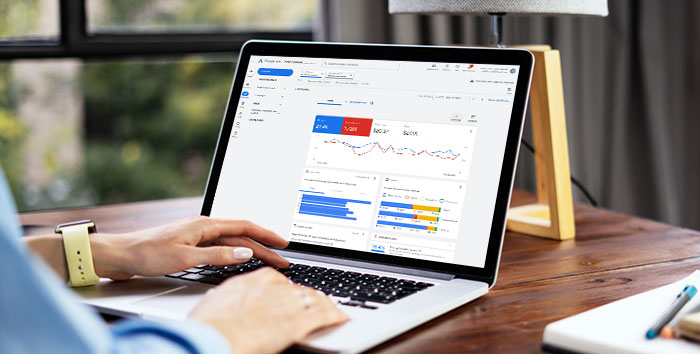
Inside every Google Ads account is a section called “Recommendations.” Here, the platform suggests a variety of changes it believes could improve campaign performance.
Examples of automated PPC recommendations include:
- Adding new keywords
- Updating bidding strategies
- Creating new ad headlines or descriptions
- Increasing campaign budgets
- Adjusting targeting settings
These suggestions are tied to an optimization score, which estimates how well your Google Ads campaigns are set up to perform. Each recommendation shows how much your score could increase if the change is applied. Google suggests that a higher score can lead to better-performing ads. Because of this, it might seem logical to apply every recommendation or even set them to auto-apply. However, relying on automation to implement these changes without review can create challenges.
Why Google Encourages PPC Automation
Google Ads has invested heavily in automation and AI-driven optimization. Features like smart bidding, responsive search ads, and automated recommendations are designed to help advertisers improve performance while simplifying campaign management.
Automation can process large amounts of data quickly and identify patterns that would be difficult to detect manually. This can be especially useful for tasks like bid adjustments or testing different ad combinations.
However, automation still works within a defined set of signals and assumptions. It does not fully understand your business goals, brand positioning, or the nuances of your industry.
Google Ads is also a business. While its recommendations aim to improve campaign performance, they do not always have your best interests in mind.
This is why strategic oversight is more important than ever.
Risks of Auto Apply Recommendations in Google Ads
Auto applying recommendations may boost your optimization score, but that does not always translate to better campaign performance.
When recommendations are applied automatically, campaigns can gradually shift away from their original strategy. New keywords may bring in less relevant traffic. Budget increases may happen faster than expected. Automated content may not align with your messaging.
Over time, these changes can lead to:
- Higher cost per click (CPC)
- Less qualified traffic
- Inefficient ad spend
- Weaker campaign performance
This does not mean the recommendations aren’t helpful. The danger is applying them without reviewing whether they actually support your campaign goals.
Automated Keywords Lack Context
Keyword recommendations are one of the most common suggestions inside Google Ads. The platform analyzes existing campaigns and search behavior to recommend additional keywords it believes could generate more traffic.
Sometimes these ideas are valuable. They can uncover search terms you may not have considered.
However, keyword automation does not always understand the context of your business.
For example, a company that sells commercial trucks might receive keyword recommendations related to pickup trucks or personal vehicles. While these terms are related, they attract a very different audience.
If these keywords are automatically added to a campaign, ads may begin appearing for searches that are not relevant to your products or services.
This often leads to lower engagement, weaker ad relevance signals, and higher costs.
AI-Generated Headlines and Descriptions
Google Ads also suggests automatically generated headlines and descriptions for responsive search ads. These are created using information from your website, existing ads, and landing pages.
While the intent is to expand your ad variations, the generated copy does not always match your brand messaging or positioning.
AI-generated content may:
- Focus on the wrong product features
- Use generic language that blends in with competitors
- Miss important brand differentiators
Ad copy plays a critical role in attracting the right audience and setting expectations for what users will find on your website. Automatically applying generated text without review can dilute your messaging.
Automated Bidding Can Increase Costs
Automated bidding strategies such as Maximize Conversions or Target CPA can be powerful tools when used appropriately. They analyze large amounts of performance data to adjust bids in real time.
However, these strategies work best when campaigns already have strong historical data and clearly defined goals.
When automated bidding is introduced too early, or combined with recommendations that increase budgets, costs can rise quickly.
Since the algorithm is focused on generating conversions, it may increase bids significantly to compete in more auctions. Without careful monitoring, this can lead to higher CPCs without a meaningful improvement in return on investment.
PPC Automation Can Be Beneficial
Automation is not inherently bad. In many ways, it can improve efficiency and uncover opportunities that might otherwise be missed.
The key is to understand where automation provides value and where human strategy is still necessary.
PPC automation can be especially helpful for:
- Identifying potential keyword opportunities
- Running ad variation tests
- Adjusting bids based on performance signals
- Monitoring campaign health and alerts
Used correctly, these tools can help digital marketers make better decisions and focus more time on strategy rather than manual adjustments.
The most successful campaigns typically combine automation with thoughtful oversight.
The Future of PPC Automation
It’s clear that AI will play an even larger role in digital advertising in the coming years. Rather than avoiding it entirely, the goal should be to use it intentionally.
A few best practices can help ensure AI-powered automation supports your strategy instead of working against it.
Review Recommendations Instead of Auto Applying Them
Google Ads recommendations can be valuable insights, but they should be reviewed carefully before being implemented. Each suggestion should be evaluated based on your campaign goals, audience, and budget.
Test Automation Gradually
Automation often works best when introduced gradually. Testing automated bidding strategies or new keyword opportunities in controlled experiments allows you to measure their impact before rolling them out more broadly.
Maintain Strategic Keyword Oversight
Keywords define who sees your ads. Maintaining control over keyword targeting helps ensure campaigns attract the right audience and align with your business objectives.
Align Automation with Business Goals
Automation should support your broader marketing strategy, not replace it. Campaign decisions should always reflect your goals, whether that is generating qualified leads, increasing brand visibility, or driving online sales.
Our Approach to PPC Automation at Evolve
At Evolve, we see AI-powered automation as a powerful tool, but not a substitute for strategy.
Our team regularly reviews Google Ads recommendations to identify insights that may improve campaign performance. At the same time, we filter out automated changes that do not align with a client’s goals or audience.
This approach allows us to take advantage of automation while maintaining the strategic control needed to produce meaningful results.
Looking for Help Managing Your PPC Campaigns?
Running effective PPC campaigns requires more than simply relying on automation. It requires a thoughtful strategy, ongoing analysis, and a clear understanding of your audience.
At Evolve, we work closely with clients to build targeted PPC campaigns designed to drive measurable results. Our team takes the time to understand your business, analyze your competitors, and develop a strategy that aligns with your goals.
If you’re looking to improve the performance of your PPC advertising, contact us to learn how we can help.